
Neurofeedback for ADHD
Training brainwaves to regulate ADHD and focus.
Neurofeedback for Anxiety
Neurofeedback for ADHD
Neurofeedback for Autism
Neurofeedback for Concussion/TBI
Neurofeedback for Depression

Trainings
Neurofeedback for ADHD
Struggling to stay focused, manage tasks, or control impulsive behaviours due to ADHD can be frustrating. At MindVista, we offer Neurofeedback Therapy as a non-invasive and effective solution to help individuals with ADHD regulate attention, concentration, and self-regulation—without relying on medication.
Neurofeedback is a non-invasive brain training method that helps regulate brainwave activity. By monitoring and providing real-time feedback on your brain’s electrical patterns, neurofeedback encourages your brain to develop healthier, more balanced functioning. For those with ADHD, this means helping the brain’s ability to focus, stay calm, and regulate impulse control.
Neurofeedback Therapy is a drug-free alternative for managing ADHD. It can help individuals of all ages—children, teens, and adults—gain better control over their focus and behaviour in a safe, non-invasive way. Whether you or your child are struggling with academic performance, workplace challenges, or daily distractions, neurofeedback offers a personalized, effective approach to managing ADHD.
Expand Here to Read More
[elementor-template id=”1632″]
How Does Neurofeedback Work?
Initial Assessment
In our first meeting, we’ll learn more about you, your history, and your goals. This is also a great time to ask any questions you might have! The session typically lasts 30-60 minutes.
1

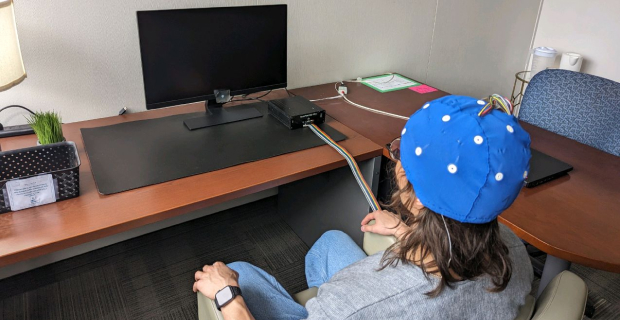
Quantitative ElectroEncephaloGram (QEEG)
A QEEG brain scan is a simple, non-invasive test that measures the electrical activity in your brain. This helps us tailor the best neurofeedback or biofeedback approach for you. The scan takes about one hour and is not used for diagnosis.
2
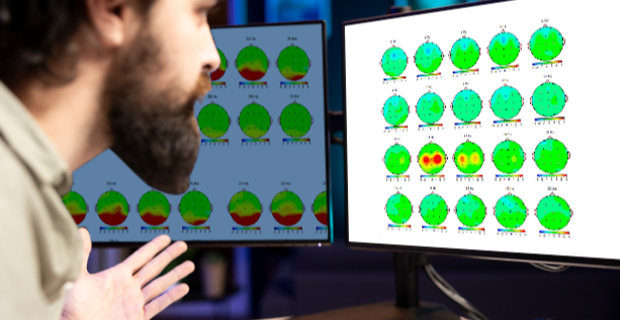
Feedback and Summary of Findings
Once the QEEG data is analyzed, we’ll meet with you again to discuss the results. We’ll explain how neurofeedback or biofeedback can help you reach your goals and answer any further questions you have. This session takes around 30-45 minutes, and we’ll provide a written summary of the findings along with our recommended training plan.
3
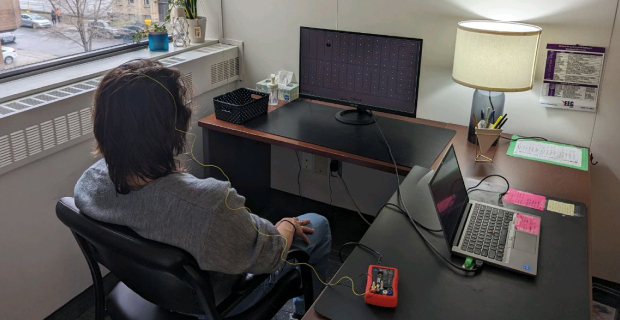
Neurofeedback Training
Neurofeedback sessions are held 1-3 times per week at our clinic, with most clients noticing positive changes after 20-40 sessions. Over the course of these sessions, a consistent feedback mechanism helps your brain learn to produce the desired brainwave patterns more reliably. Gradually, these changes help you better manage your emotions, behaviors, and mental performance, leading to a more balanced and effective daily life.
4
Unlock Your Brain’s Potential Today
Experience the benefits of neurofeedback therapy and take the first step towards a healthier, more focused mind. Contact us now to schedule your initial consultation.
Book Your FREE Consultation Now!

Benefits of Neurofeedback for ADHD
Here’s how neurofeedback works, its potential benefits for those with ADHD, and why it’s becoming a popular choice for training.

Focus and Attention
Neurofeedback helps train the brain to regulate brainwave patterns associated with focus, allowing individuals with ADHD to boost their attention span and reduce distractibility during tasks.

Managed Impulsivity
By reinforcing optimal brainwave patterns, neurofeedback helps manage impulsive behaviors, allowing individuals with ADHD to better control their actions and responses in various situations.

Non-Invasive and Drug-Free Treatment
Neurofeedback offers a safe, non-invasive, and drug-free approach to managing ADHD symptoms. By training the brain to regulate its own activity, it helps manage impulsivity and regulate focus.
Neurofeedback
Research at MindVista
At MindVista, we are committed to research and evidence-based practices. Stay up to date on the latest research in mental health and neurofeedback therapy.