
Neurofeedback for Concussion/TBI
Neurofeedback can help individuals recovering from mild to moderate concussions, more severe TBIs, or those experiencing lingering post-concussion syndrome.
Neurofeedback for Anxiety
Neurofeedback for ADHD
Neurofeedback for Autism
Neurofeedback for Concussion/TBI
Neurofeedback for Depression

Trainings
Neurofeedback for Concussion/ Traumatic Brain Injury
Recovering from a concussion or traumatic brain injury (TBI) can be a complex process, often accompanied by ongoing mental, emotional, and physical challenges. At MindVista, we offer Neurofeedback Therapy as a non-invasive solution to teach individuals how to self-regulate to regain control over their mental and emotional well-being. Neurofeedback works by monitoring brainwave activity and providing real-time feedback to encourage healthier patterns of brain function. It helps the brain re-establish balance, boost mental clarity, and support emotional regulation for those recovering from a concussion or TBI. This natural approach supports long-term recovery by training the brain to function more efficiently.
Neurofeedback Therapy is a safe and drug-free approach, making it an ideal option for those seeking to boost their recovery without medication. It’s particularly effective for addressing symptoms such as memory problems, difficulty concentrating, mood swings, and sleep disturbances commonly associated with concussions and TBIs.
Expand Here to Read More
[elementor-template id=”1632″]
How Does Neurofeedback Work?
Initial Assessment
In our first meeting, we’ll learn more about you, your history, and your goals. This is also a great time to ask any questions you might have! The session typically lasts 30-60 minutes.
1

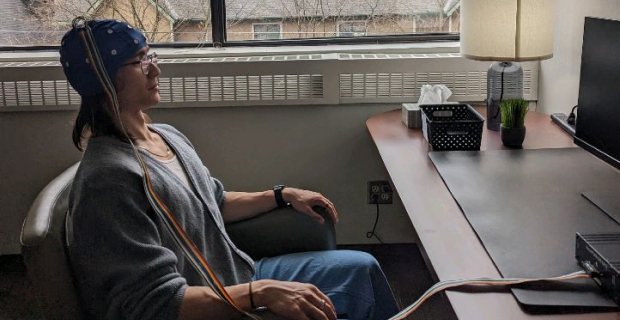
Quantitative ElectroEncephaloGram (QEEG)
A QEEG brain scan is a simple, non-invasive test that measures the electrical activity in your brain. This helps us tailor the best neurofeedback or biofeedback approach for you. The scan takes about one hour and is not used for diagnosis.
2
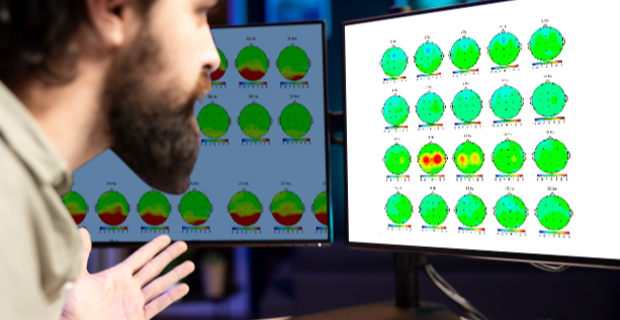
Feedback and Summary of Findings
Once the QEEG data is analyzed, we’ll meet with you again to discuss the results. We’ll explain how neurofeedback or biofeedback can help you reach your goals and answer any further questions you have. This session takes around 30-45 minutes, and we’ll provide a written summary of the findings along with our recommended training plan.
3
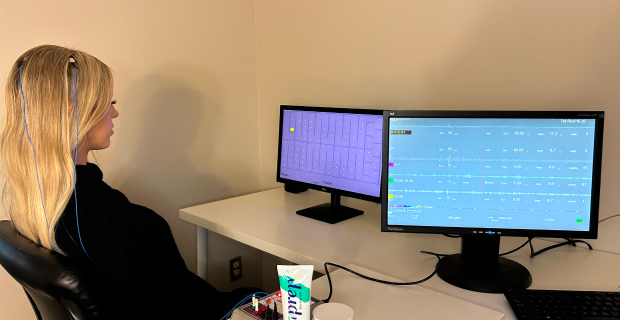
Neurofeedback Training
Neurofeedback sessions are held 1-3 times per week at our clinic, with most clients noticing positive changes after 20-40 sessions. Over the course of these sessions, a consistent feedback mechanism helps your brain learn to produce the desired brainwave patterns more reliably. Gradually, these changes help you better manage your emotions, behaviors, and mental performance, leading to a more balanced and effective daily life.
4
Unlock Your Brain’s
Potential Today
Experience the benefits of neurofeedback therapy and take the first step towards a healthier, more focused mind. Contact us now to schedule your initial consultation.
Book Your FREE Consultation Now!

Benefits of Neurofeedback for Concussion/ Traumatic Brain Injury

Boosts Information Processing
Neurofeedback helps retrain the brain to optimize its functioning, improving mental abilities such as memory, attention, and problem-solving. This aids in restoring mental clarity and overall mental performance following a concussion or TBI.

Facilitates Post-Injury Recovery
Many individuals experience lingering symptoms such as headaches, brain fog, and dizziness after a concussion or TBI. Neurofeedback targets these areas by regulating brainwave activity, leading to faster recovery.

Promotes Emotional and Mood Stability
After a brain injury, emotional regulation can become challenging, often leading to mood swings or irritability. Neurofeedback helps balance the brain’s emotional centers, improving mood stability and dysregulation that may arise from the injury.
Neurofeedback
Research at MindVista
At MindVista, we are committed to research and evidence-based practices. Stay up to date on the latest research in mental health and neurofeedback therapy.