Initial Assessment
In our first meeting, we’ll learn more about you, your history, and your goals. This is also a great time to ask any questions you might have! The session typically lasts 30-60 minutes.



In our first meeting, we’ll learn more about you, your history, and your goals. This is also a great time to ask any questions you might have! The session typically lasts 30-60 minutes.

A QEEG brain scan is a simple, non-invasive test that measures the electrical activity in your brain. This helps us tailor the best neurofeedback or biofeedback approach for you. The scan takes about one hour and is not used for diagnosis.
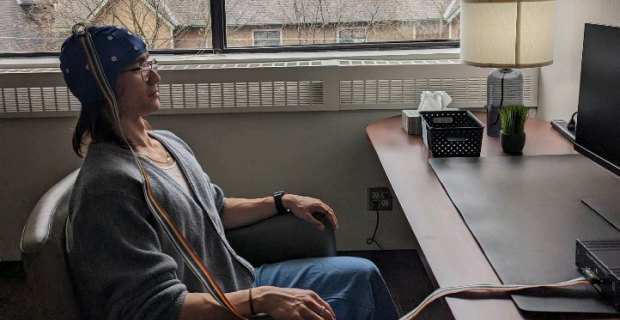
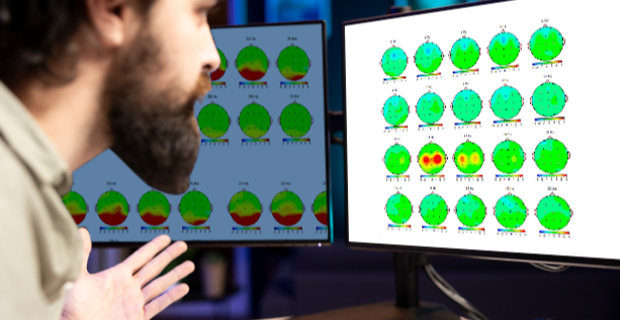
Once the QEEG data is analyzed, we’ll meet with you again to discuss the results. We’ll explain how neurofeedback or biofeedback can help you reach your goals and answer any further questions you have. This session takes around 30-45 minutes, and we’ll provide a written summary of the findings along with our recommended training plan.
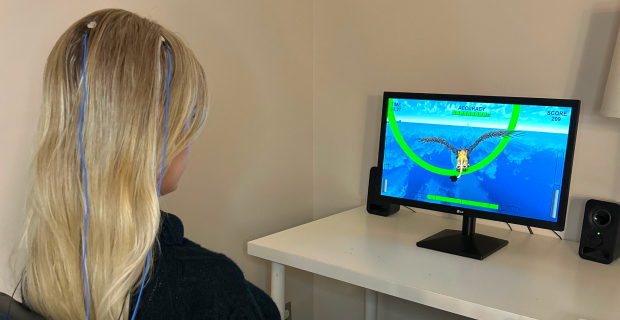
Neurofeedback sessions are held 1-3 times per week at our clinic, with most clients noticing positive changes after 20-40 sessions. Over the course of these sessions, a consistent feedback mechanism helps your brain learn to produce the desired brainwave patterns more reliably. Gradually, these changes help you better manage your emotions, behaviors, and mental performance, leading to a more balanced and effective daily life.


Neurofeedback helps regulate brainwave patterns associated with relaxation and sleep, making it easier to fall asleep and stay asleep through the night. It promotes deeper, more restorative sleep, allowing individuals to wake up feeling refreshed.

For those struggling with insomnia, neurofeedback can help calm an overactive mind and reduce racing thoughts, which are common barriers to sleep. This helps individuals relax more easily at bedtime, leading to a more consistent sleep schedule.

Neurofeedback offers a safe, non-invasive, and drug-free solution to improving sleep. By training the brain to produce optimal patterns for relaxation and sleep, it helps individuals dealing with insomnia and other sleep difficulties achieve a deeper, more restful sleep.

